My research examines how institutional design shapes electoral integrity and democratic outcomes. I focus on three main areas: electoral management bodies, redistricting and boundary delimitation, and the role of political parties in sustaining credible elections.
Features
Electoral Management and Democratic Governance
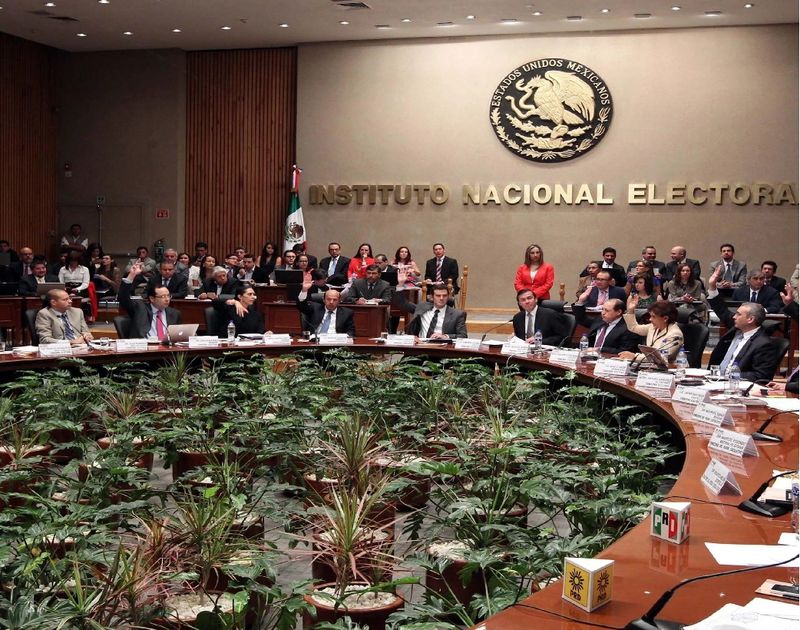
I study how electoral management bodies (EMBs) function in diverse political contexts, particularly in semi-competitive regimes. My work develops a theory of de facto autonomy, emphasizing how institutional design and partisan inclusion shape transparency, accountability, and credibility.
My book, Why Elections Need Parties (Cambridge University Press), argues that the inclusion of political parties within electoral governance structures—when properly institutionalized—can strengthen rather than undermine electoral integrity.
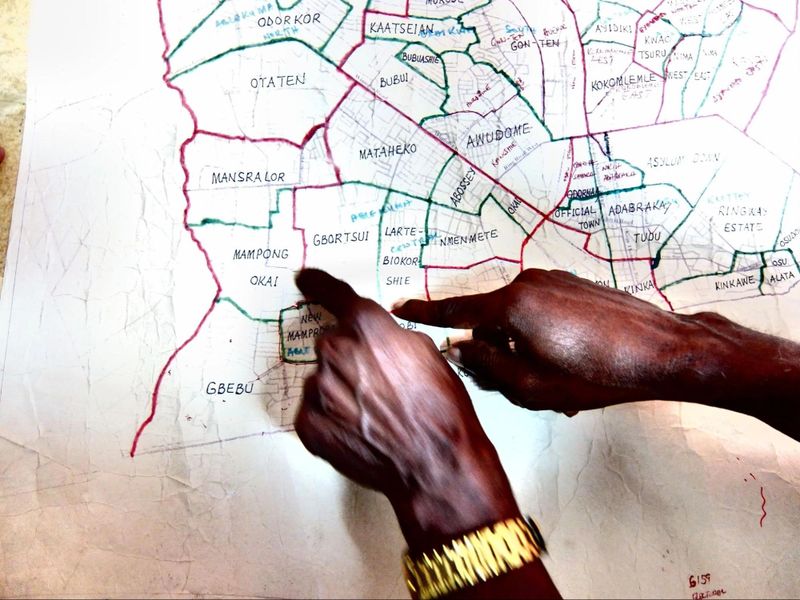
Redistricting and Boundary Delimitation
A second line of research focuses on electoral boundary delimitation and redistricting. This work challenges conventional assumptions about partisan bias by examining institutional processes rather than outcomes alone.
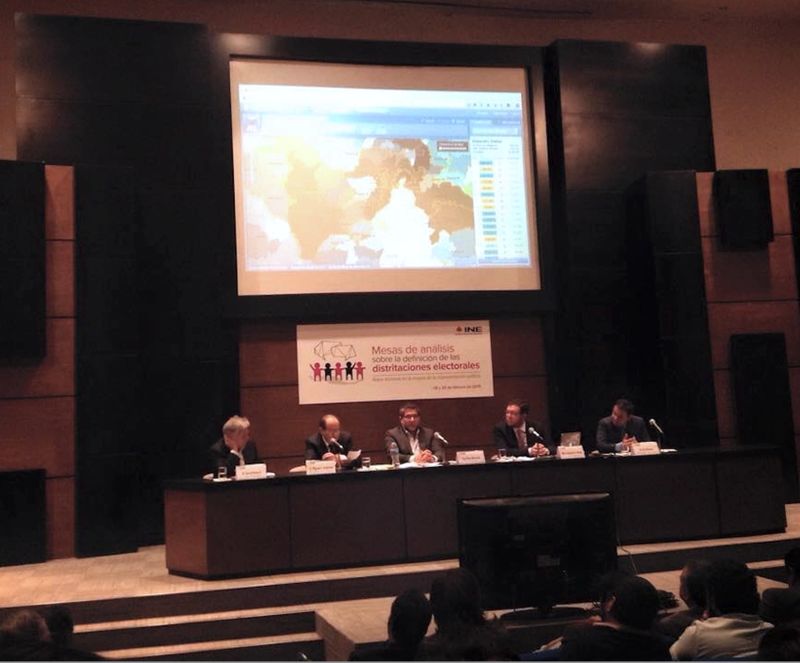
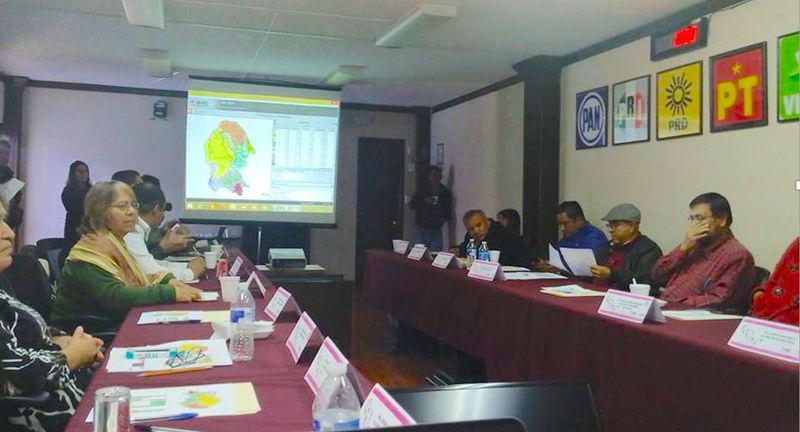
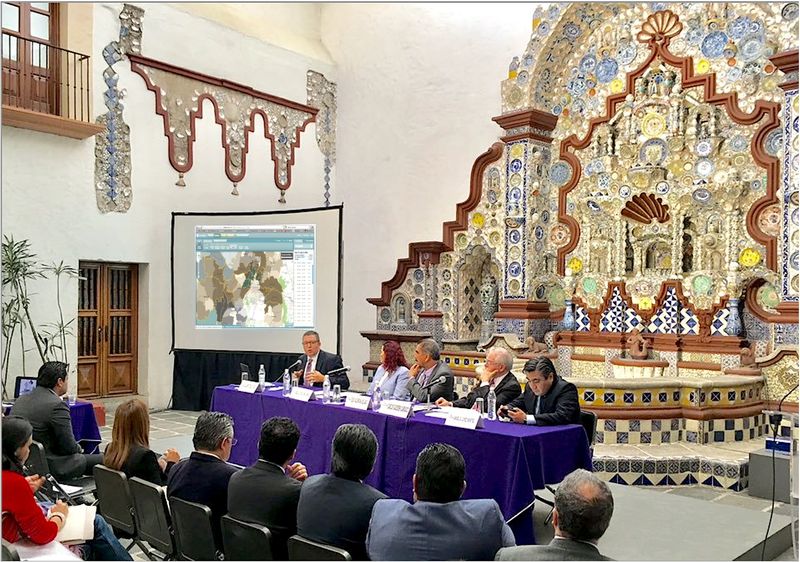
In ongoing collaborative work, I analyze redistricting in Mexico using original data and computational methods, showing that under certain institutional constraints, district boundaries have limited partisan effects.
Comparative and Policy-Oriented Work
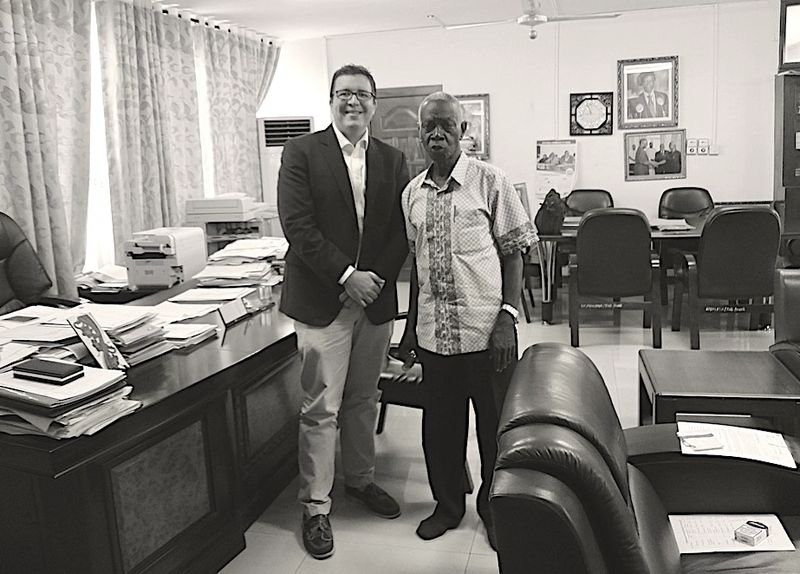
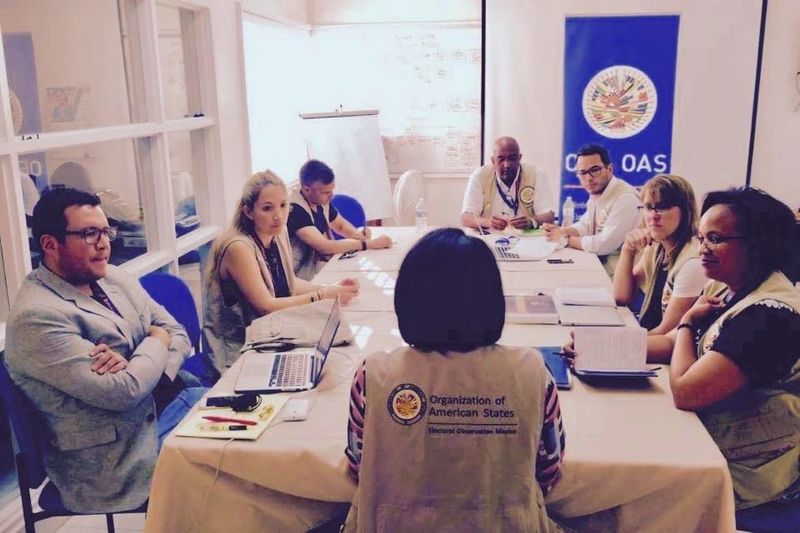
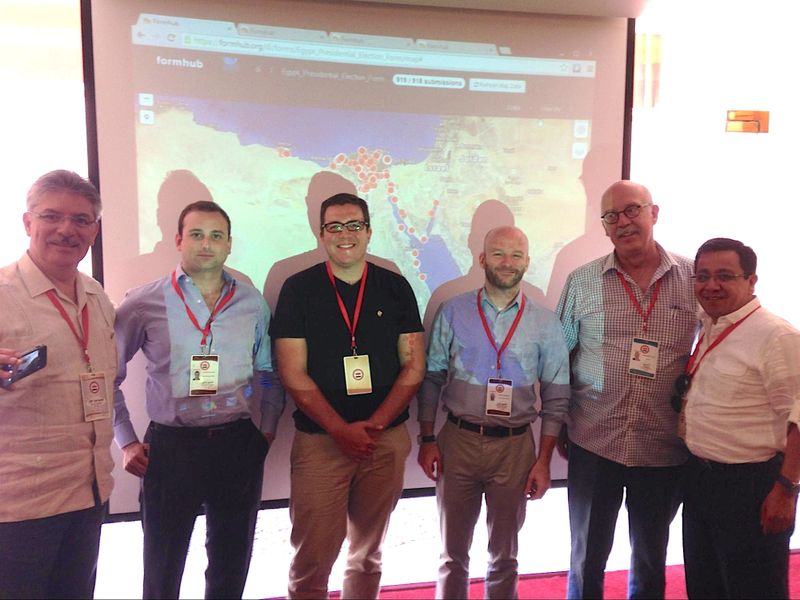
My research is deeply comparative and often engages directly with practitioners. I have worked with electoral authorities and international organizations across Latin America and the Caribbean on issues including electoral administration, districting, and institutional reform.
This engagement informs my academic work and reflects a broader commitment to bridging scholarship and practice.
Gallery
This website uses cookies to analyze website traffic and optimize your experience. By accepting, your data will be aggregated with all other user data.




.png/:/rs=w:800)