Teaching Philosophy

My teaching focuses on comparative politics, electoral institutions, and quantitative methods. I aim to equip students with both analytical tools and substantive knowledge to understand political processes across regions.
My teaching focuses on helping students understand how political institutions shape democratic outcomes through a combination of theory, empirical analysis, and applied research. I emphasize critical thinking, analytical writing, and methodological training, guiding students in developing original research projects that engage real-world political questions.
Courses
Introduction to Comparative Politics (POL 11B)- Undergraduate
This course introduces students to the comparative study of political systems, focusing on how institutions shape democratic performance across countries. It examines key topics such as state formation, political regimes, democratization, political culture, and institutional design, including electoral systems and party competition. Through a combination of theoretical frameworks and empirical case studies—including countries such as the United Kingdom, Russia, China, and Nigeria—students develop the tools to analyze how different political systems balance representation and stability. The course emphasizes analytical writing and structured argumentation, guiding students through multiple writing assignments that apply comparative methods to real-world political questions.
Latin American Politics (POL 144A)- Undergraduate
This course examines the political development of Latin America, focusing on the institutional, economic, and historical factors that shape democratic trajectories across the region. It explores key themes such as colonial legacies, inequality, populism, military intervention, and the role of political institutions in sustaining or undermining democracy. Organized both thematically and by subregions—including Mexico, Central America, the Andes, and the Southern Cone—the course uses country cases to connect theory with empirical analysis. As a writing-intensive course, it emphasizes critical engagement with academic literature and guides students through the development of an original research paper through multiple stages, fostering strong analytical and methodological skills.
Good Neighbor or Imperial Power: U.S.–Latin American Relations (POL 161B) - Undergraduate
This course analyzes the complex and often ambivalent relationship between the United States and Latin America from a historical and theoretical perspective. It examines key periods—from early U.S. expansion and the Cold War to contemporary issues such as trade, migration, and drug policy—while engaging with competing frameworks in international relations and comparative politics. Students evaluate how U.S. foreign policy has shaped political and economic outcomes across the region and assess whether these dynamics have been cooperative or exploitative. Through a combination of analytical writing, debates, and research projects, the course emphasizes critical thinking, evidence-based argumentation, and the ability to connect theory to contemporary policy challenges.
Quantitative Methods for Policy Analysis (POL 52B)- Undergraduate
This course introduces students to the use of statistical methods in the study of politics, providing a foundation for empirical research in the social sciences. It covers key concepts such as causal inference, hypothesis testing, descriptive and inferential statistics, and regression analysis, while emphasizing their application to real-world political questions. Students learn to formulate research questions, analyze quantitative data, and interpret statistical results using software widely used in the discipline. Through a series of structured assignments and a final research project, the course develops students’ ability to apply quantitative methods to substantive political problems and to evaluate evidence critically.
Elections and Electoral Systems in Comparative Perspective -Graduate
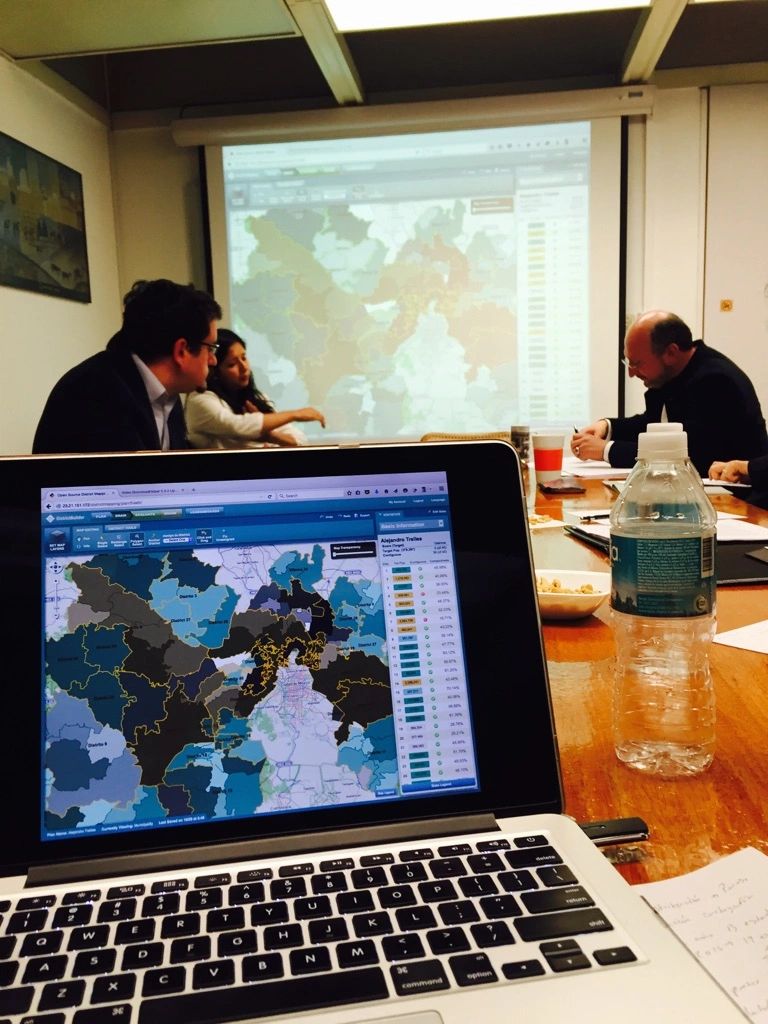
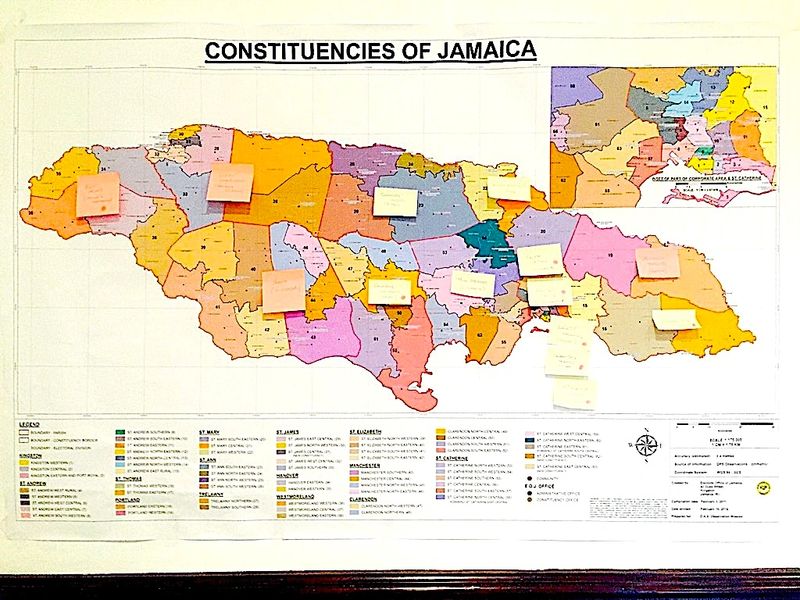
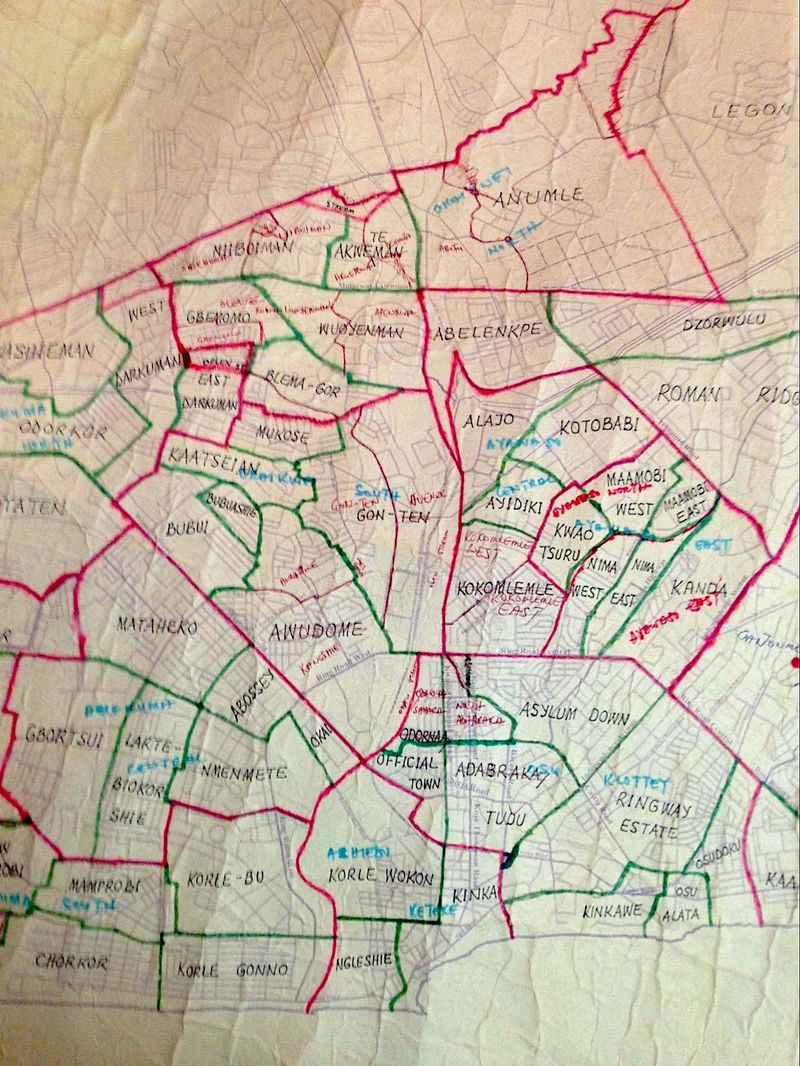
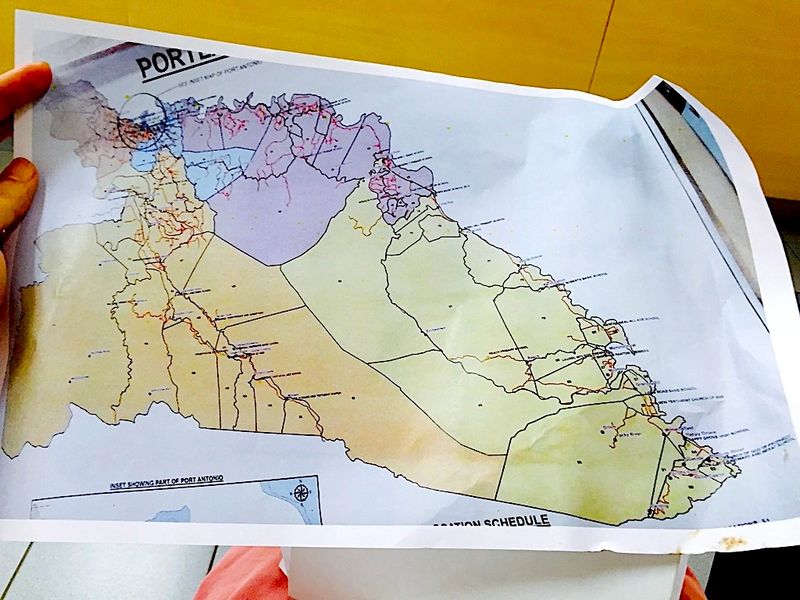
This seminar examines the role of elections and electoral institutions in shaping democratic outcomes across the globe. It introduces students to the comparative study of electoral systems, party competition, and electoral governance, with a focus on how institutional rules affect political representation, accountability, and democratic stability. The course engages with key debates on electoral integrity, democratic backsliding, and institutional design, while incorporating hands-on training in digital tools such as GIS and online mapping to analyze electoral processes and redistricting. Students develop original research projects through multiple stages, integrating theoretical frameworks, empirical analysis, and spatial data to study elections in comparative perspective.Alejandro Trelles specializes in various aspects of political analysis, policy research, and consultation. He provides expert guidance tailored to the needs of individuals and organizations seeking to navigate complex political landscapes. Whether you're looking for strategic advice, research support, or insights into political strategy, his services are designed to empower clients with the knowledge and tools needed for success.
Syllabi available upon request
Gallery